

The short answer
The cost of a tooth extraction depends mostly on whether it’s simple or surgical. A simple extraction of a visible, loose or single-rooted tooth costs least. A broken, impacted or multi-rooted back tooth that needs surgery costs more. Most dental plans pay part of it, and at Kingston Smiles you get a written estimate after the exam, before anything starts.
What changes the cost of a tooth extraction?
| Factor | Costs less | Costs more |
|---|---|---|
| Type | Simple: the tooth is visible and comes out whole | Surgical: the gum is opened or the tooth is removed in pieces |
| Tooth | Front teeth with one root | Molars with two or three curved roots |
| Condition | Loose or intact tooth | Broken at the gum line, badly decayed or impacted |
| Imaging | Standard X-ray | A 3D scan when roots sit near a nerve or sinus |
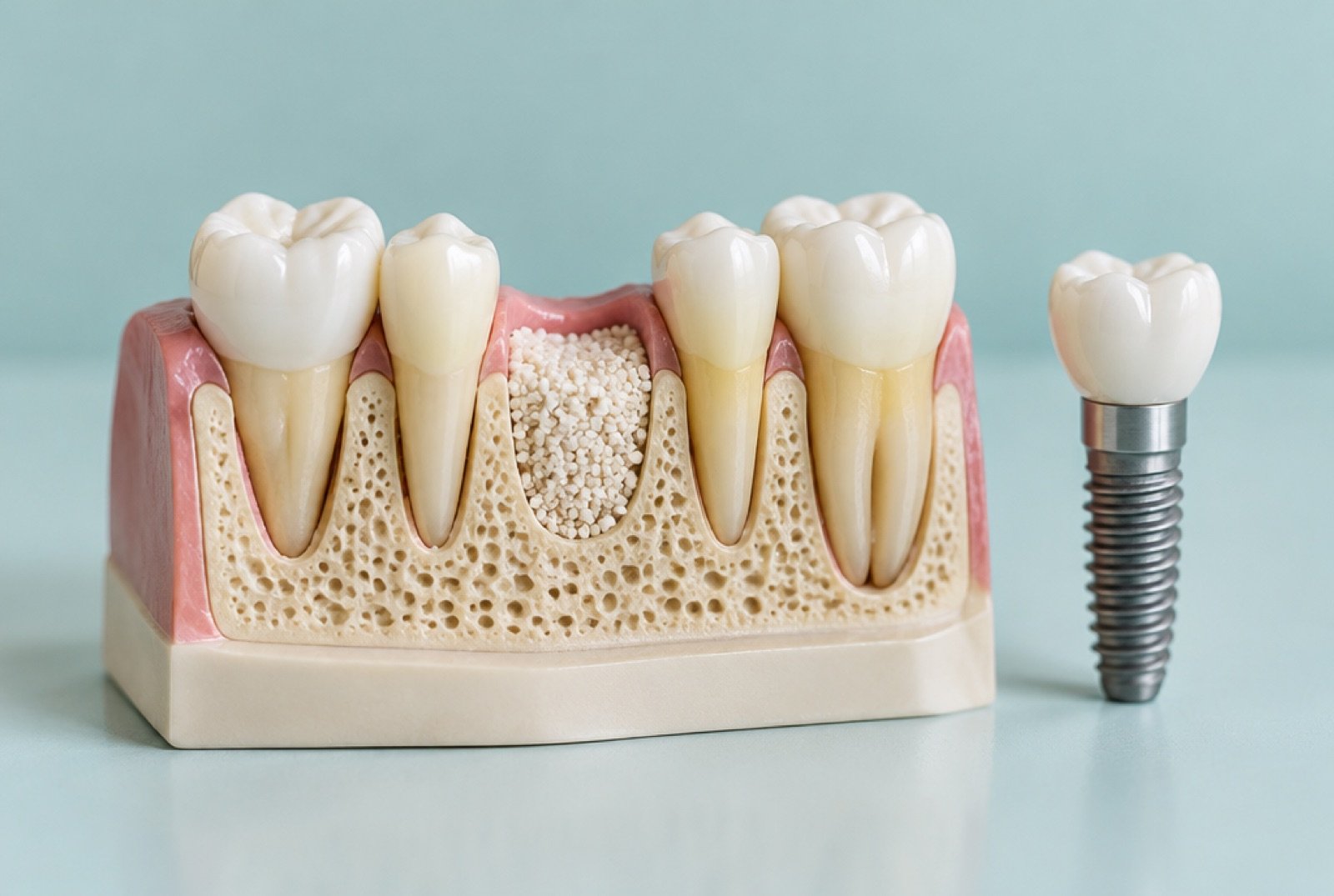
| Extras | Nothing else needed | A bone graft to keep the socket for a future implant |
Our tooth extraction page explains the difference between simple and surgical extractions and what recovery is like.
What’s included in the estimate?
Your written estimate lists each part of the treatment: the exam and X-rays, the numbing, the extraction itself and your aftercare instructions. If you need a 3D scan, a bone graft or a follow-up visit, those are listed separately, so there are no surprises.
How much does a tooth extraction cost without insurance?
Without insurance you pay the practice fee for each part of the treatment. Ask for the estimate in writing and for the fee to be broken down by item. If the cost is hard to manage in one go, CareCredit and Cherry let you pay over time.
Does dental insurance cover tooth extractions?
Most plans treat a simple extraction as basic care and pay part of it after your deductible. Surgical extractions are covered by many plans too, sometimes at a lower share. Whatever the plan pays counts toward your yearly maximum. We work with CSEA and Kingston Trust Fund plans and most PPO plans, and check your benefits before your visit. Read what dental insurance usually covers for how plans work.
Does it cost less to have several teeth out at once?
Each tooth is charged separately, but having several out in one visit often means one exam, one set of X-rays and one recovery, which saves time and repeat visits. Whether it’s right depends on your health and which teeth they are. Dr. Ibrahim Sayeed will tell you what makes sense and put it in your estimate.
How can you keep the cost of an extraction down?
- Don’t wait. A painful tooth treated early is often a simple extraction, or can be saved. An infection or a broken tooth can turn it into a surgical one.
- Ask whether the tooth can be saved. A root canal and crown can cost more up front but avoid replacing the tooth later.
- Use your benefits before they reset at the end of your plan year.
- Plan the replacement early. If you’ll want a dental implant, a bone graft at the time of the extraction can avoid a bigger procedure later. See what dental implants cost.
Tooth extraction cost questions
Is it cheaper to pull a tooth or fill it?
A filling usually costs less than an extraction plus a replacement tooth, and it keeps your own tooth.
Do I have to replace a tooth after it’s pulled?
Not always. Wisdom teeth don’t need replacing. A missing back tooth can let other teeth drift, so Dr. Sayeed will talk you through the options.
Can I get an estimate before I book treatment?
Yes. After the exam and X-rays, you get a written estimate before anything is done.
Need a tooth looked at? Book an appointment or call 845-336-5855.