

The short answer
Yes. A Health Savings Account can pay for most dental care, from cleanings, X-rays and fillings to extractions, crowns and dentures, because the IRS counts treatment that prevents or treats dental disease as a medical expense. Cosmetic work such as teeth whitening doesn’t qualify.
The rules come from two IRS documents: Publication 502, which lists medical and dental expenses, and Publication 969, which covers HSAs and FSAs. Here is what they mean at the dentist.
What dental care can you pay for with an HSA?
- Preventive care: cleanings, exams, X-rays, fluoride and sealants.
- Treatment: fillings, root canals, extractions and gum disease treatment.
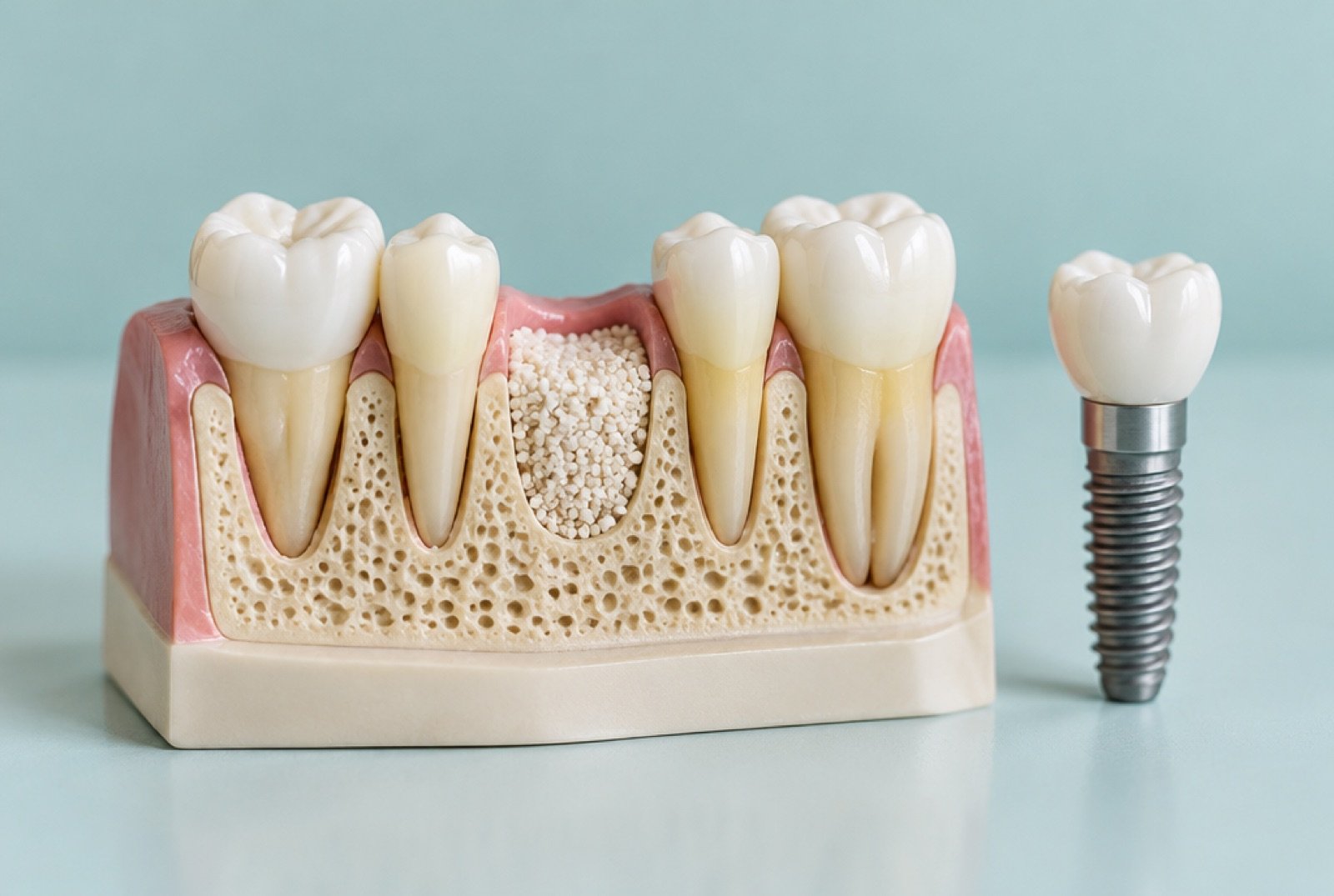
- Replacing teeth: crowns, bridges, dentures and dental implants, which count as artificial teeth.
- Braces and aligners, which Publication 502 names as eligible.
The care can be for you, your spouse or a dependent you claim on your taxes.
What isn’t HSA-eligible at the dentist?
- Teeth whitening. Publication 502 says it can’t be included.
- Purely cosmetic treatment, such as veneers done only for looks. If a veneer or bonding repairs a damaged tooth, check with your HSA administrator.
- Toothpaste and toothbrushes, which the IRS treats as personal items.
- Dental insurance premiums.
How do you pay the dentist with an HSA?
Use your HSA card like a debit card at checkout, or pay another way and reimburse yourself from the account later. The treatment has to happen after the HSA was opened. Keep the itemized receipt, because you may need to show the expense was eligible. At Kingston Smiles NY you can pay with an HSA or FSA card; our insurance and financing page covers plans and payment options.
HSA or FSA for dental: what’s the difference?
Both pay for the same dental expenses. An HSA is yours: the balance carries over every year and stays with you if you change jobs. A Flexible Spending Account is run by your employer and is generally use-it-or-lose-it, though some plans allow a short grace period or a small carryover. With an FSA, your full yearly amount is available from the start of the plan year, which helps with a larger treatment early on.
Can you use an HSA with dental insurance?
Yes. Your HSA can pay the part your plan doesn’t: the deductible, copays and coinsurance. You can’t be repaid twice for the same bill, so don’t claim from your HSA what insurance already paid. To see what a plan usually covers, read what dental insurance covers.
HSA dental questions
Can I use my HSA for dental implants?
Generally yes. Implants replace missing teeth, and the IRS counts artificial teeth as a medical expense.
Can I pay now and use my HSA later?
Yes, if the treatment happened after your HSA was opened. Keep the receipt with your tax records.
Who can tell me for sure if something qualifies?
Your HSA administrator or a tax professional. This page explains the general IRS rules, not tax advice.
Want to know the cost before you decide? Book an appointment and you’ll get it in writing before treatment, or call 845-336-5855.